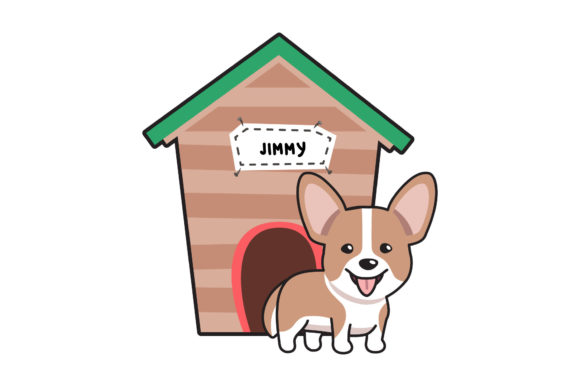
Cute Dog with His House
A Designer’s First Glance: Warm, Simple, and Ready for Stitching
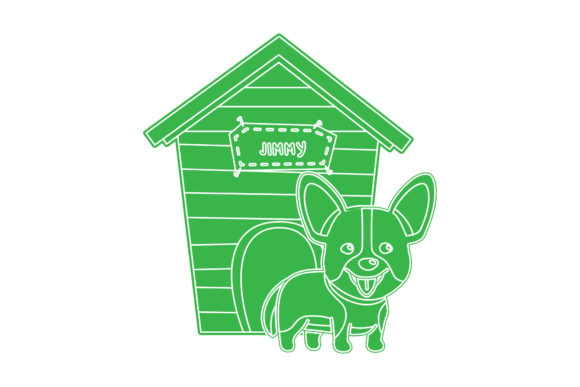
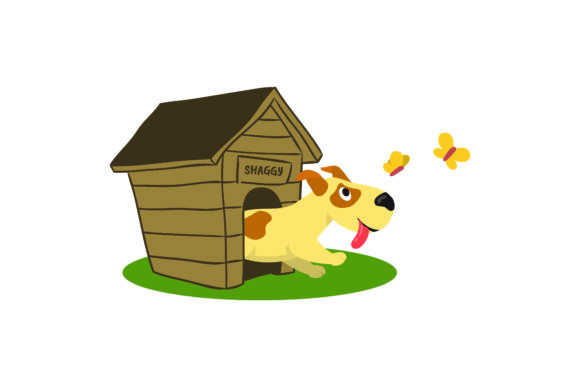
When I opened Cute Dog with His House for the first time, I didn’t see just another illustration—I saw a finished product waiting to be stitched. The composition is clean and centered: a friendly, slightly stylized dog sitting beside a cozy little house with a sloped roof and a tiny window. There’s no clutter—no excessive shading, no fussy outlines—and that’s exactly what makes it work so well for embroidery. It reads clearly at small sizes, holds charm at larger scales, and feels handmade without needing hand-drawn imperfection. As an embroidery designer who regularly tests files for client work and my own craft business, I immediately pictured this on a linen tea towel, a cotton baby onesie, or even a minimalist embroidered patch for a denim jacket.
Where This Design Truly Shines
Cute Dog with His House fits naturally into soft, story-driven product categories—not bold branding, but gentle personalization. I recently used a similar concept for a boutique nursery line, and this design would slot right in. It’s ideal for:
- Embroidered pillow covers and blanket corners for baby rooms
- Custom tote bags sold at local craft fairs (especially natural canvas or unbleached cotton)
- Sweatshirt embroidery for small shop merchandise—think “small batch, big heart” energy
- Personalized gifts: holiday stockings, Easter baskets, or “welcome home” kitchen towels
- Digital embroidery file bundles for Etsy sellers offering instant-download machine embroidery designs
What stands out is how forgiving the shape is. The dog’s body and house are built with smooth curves and generous negative space—no tight corners or fragile limbs that vanish under satin stitch. That means fewer thread breaks, less rehooping, and cleaner results on medium-weight fabrics like quilting cotton, twill, or midweight fleece.
Real-World Considerations Before You Stitch
I tested a mockup of Cute Dog with His House on a lightweight organic cotton apron—exactly the kind of fabric many crafters and Etsy sellers use for handmade kitchen goods. Here’s what I noticed:
- Hoop size matters. Though the canvas is 1920px × 1280px, the actual design footprint isn’t specified. Always check your intended hoop size before digitizing—or better yet, test stitch on scrap fabric first.
- Fabric texture changes everything. On nubby linen or terry cloth, fine details like the dog’s ear outline softened. For best clarity on textured surfaces, consider simplifying or reinforcing key lines with a running stitch border.
- Dark fabric? Prioritize contrast. This design relies on shape and silhouette more than intricate detail—so it translates well to black or navy garments, but only if you choose high-contrast thread colors (cream, mustard, or pale sage worked beautifully in my test).
- Stretchy or thin fabric needs support. Don’t skip stabilizer. A tear-away + light cut-away combo gave me crisp edges on a baby onesie. Skip it, and the dog’s outline can blur or pucker.
What to Watch For in Commercial & Client Work
If you’re an Etsy seller or small shop owner using Cute Dog with His House as part of a digital embroidery file collection, remember: buyers care about versatility and reliability. This design delivers both—but only if you set expectations clearly. It’s not an applique design with layered fabrics or complex satin-stitch gradients. It’s a clean, scalable graphic—ideal for fill stitch and simple running stitch outlines. That makes it perfect for beginners and reliable for repeat production runs.
That said, avoid pushing it into spaces where precision is non-negotiable: tiny cap fronts, curved visors, or dense multi-color logos. And while it works well as a standalone embroidered patch, don’t assume it’ll scale down to 1.5 inches without checking stitch density—some fine elements may merge or disappear.
Design Integrity Meets Handmade Appeal
One thing I consistently notice with strong illustrations like Cute Dog with His House is how much they elevate perceived value—even before stitching begins. Customers browsing a handmade shop respond to warmth and narrative. A dog + house suggests comfort, safety, belonging. That emotional resonance carries through to the finished product: a custom sweatshirt feels more thoughtful, a baby gift more personal, a boutique tea towel more display-worthy.
For creative entrepreneurs, that’s not just aesthetic—it’s trust-building. When your embroidery project looks polished and intentional, customers assume care went into every step. That perception supports higher pricing, better reviews, and repeat buyers.
Practical Notes Every Embroidery Designer Should Keep Handy
Before adding Cute Dog with His House to your next project or digital product listing, take five minutes to do these checks:
- Test stitch on scrap fabric matching your target material—especially if using stretchy, dark, or textured fabric.
- Review thread color contrast in both light and dark mockups (a printable mockup helps here).
- Confirm whether the design includes multiple color stops or is meant for single-color execution.
- Check licensing terms—this is a Graphics asset, not pre-digitized embroidery software format, so verify commercial use rights before selling finished items or bundled digital embroidery files.
- Inspect small details at 200% zoom: the dog’s tail tip, window frame, and roofline should hold shape without jagged vectors or unintended gaps.
Also worth noting: the included AI, EPS, SVG, and DXF files give flexibility for vector editing, laser cutting, or Cricut prep—but none are native embroidery formats (like PES or DST). You’ll need to digitize for machine embroidery use, so factor that into your timeline and toolset.
Final Thought: A Quietly Confident Choice
Cute Dog with His House won’t shout across a crowded craft fair—but it doesn’t need to. It draws people in softly, invites touch, and stitches cleanly across dozens of real-world applications. It’s the kind of Illustrations asset that earns repeat use because it’s dependable, emotionally grounded, and easy to adapt. Whether you’re building a cohesive nursery line, launching a holiday embroidery collection, or simply choosing a design that reflects your brand’s quiet sincerity—this one earns its place in your working library.