Dog Cute Puppy Outline: A Designer’s Real-World Embroidery Review
First Impression: Sweet, Simple, and Surprisingly Versatile
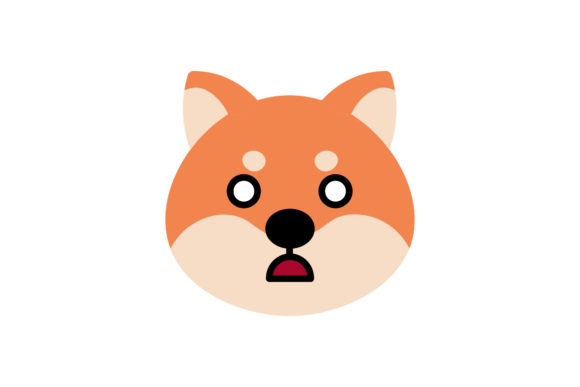
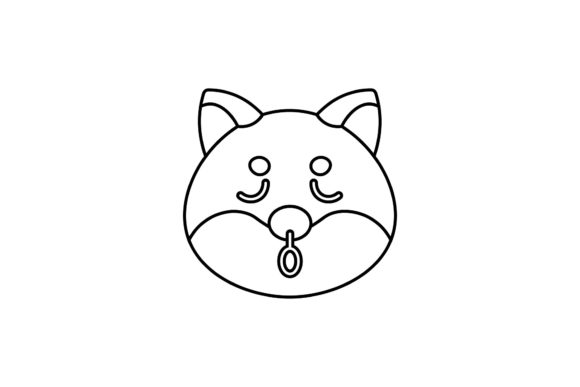
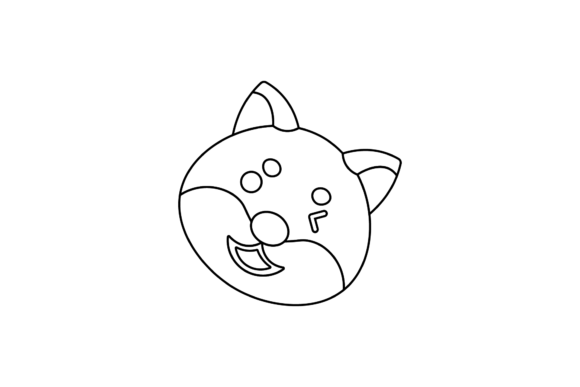
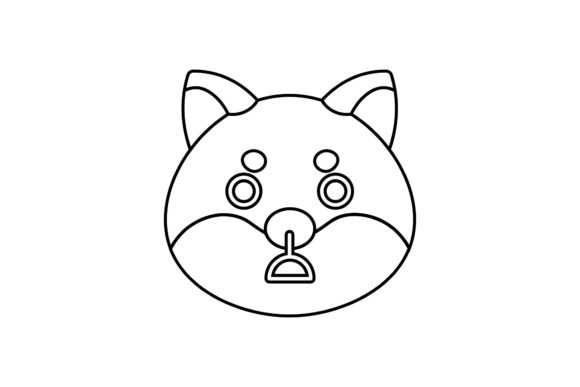
When I opened Dog Cute Puppy Outline for the first time, I wasn’t expecting much beyond a basic silhouette—but what landed on my screen was quietly confident. It’s not fussy or overly detailed; it’s a clean, single-weight outline with gentle curves, soft ears, and just enough character to read as “puppy” at a glance—not generic dog, not cartoonish, not too precious. That balance matters. I immediately pictured it stitched in soft black thread on a natural linen tea towel for a boutique kitchen line—and then again in pastel pink on a newborn onesie. Its strength lies in restraint: no internal lines, no gradients, no fill areas. Just one continuous, well-proportioned contour—ideal for an embroidery file that needs to translate cleanly across fabric types and hoop sizes.
Where It Shines: Real Projects, Real Customers
Last week, I used Dog Cute Puppy Outline to develop a small-batch embroidered tote bag collection for a local pet-friendly café. We stitched it centered on 12-oz cotton canvas, using a medium-weight cutaway stabilizer and standard 40-weight polyester thread. The result? Crisp, legible, and warm—not stiff or mechanical. Customers responded instantly: “It looks handmade, not printed,” one said. That’s the quiet magic of a well-executed outline design. It works equally well on sweatshirt embroidery (where dense fills can pucker), baby embroidery (where minimal stitch count = safer wear), and embroidered patch production (no satin stitch crowding corners). As an Etsy seller, I’ve also dropped it into printable mockups for digital embroidery file listings—it scales cleanly from 2” to 5”, holds detail in both light and dark fabric previews, and reads clearly even in thumbnail size. That’s rare for an icon-style graphic meant for craft business use.
What This Design Naturally Fits
- Custom apparel: crewnecks, joggers, aprons, and unisex caps (when placed on flat panels)
- Personalized gifts: pillow covers for new pet owners, holiday embroidery on knit blankets, baby milestone towels
- Small shop product: minimalist nursery decor, boutique tea towels, embroidered denim patches
- Commercial embroidery: consistent branding across staff uniforms or event swag where simplicity reads at a distance
Where to Proceed With Care
Dog Cute Puppy Outline is forgiving—but not magic. On highly textured fabrics like bouclé or thick terry cloth, the fine line can disappear visually unless you adjust stitch length slightly or add a subtle underlay. On stretchy fabric (think lightweight French terry or ribbed knits), always pair it with tear-away + light cutaway stabilizer—otherwise, the outline can distort during hooping or stitching. And while it’s technically scalable, avoid going smaller than 1.5” on most machines: the curve of the ear and snout starts losing definition, especially on dark fabric where thread contrast drops. I tested it on a curved cap front last month—no issues on the front panel, but I skipped the back curve entirely. Not every outline design bends gracefully.
Design Judgment: Beyond Aesthetics
What makes Dog Cute Puppy Outline stand out among Icons and Graphics isn’t just how it looks—it’s how it behaves in the full workflow. As a machine embroidery design, its lack of fill or satin stitch means lower stitch density, faster run times, and less thread waste. That directly supports sustainability goals for small shops and reduces customer wait time for custom apparel orders. Visually, it elevates handmade presentation: because there’s no busy detail competing for attention, the craftsmanship of your stitching—the tension, the thread sheen, the clean start/stop—comes forward. For Etsy sellers, that translates to higher perceived value and better photo consistency across listings. And yes, customers notice. One repeat buyer told me she chose our embroidered baby bibs specifically because “the puppy didn’t look like a clipart afterthought.” That’s brand trust built through thoughtful design choice.
Practical Notes Every Embroidery Designer Should Check
- Test on scrap fabric first—especially if pairing with textured or dark fabric. See how the outline holds up after washing.
- Review thread color contrast: this design relies on edge definition, so avoid near-matching thread/fabric combos (e.g., navy thread on indigo denim).
- Confirm hoop size compatibility: though scalable, verify your smallest hoop comfortably fits the intended final size with ¼” margin.
- Inspect small details at 200% zoom in your embroidery software—check for stray anchor points or tiny gaps in the path.
- Test black-and-white mockups before finalizing client proofs—outline designs live or die by tonal clarity.
- Use proper stabilizer: light cutaway for stable wovens, combination stabilizer for knits or blends.
- Verify licensing before selling finished items or bundling Dog Cute Puppy Outline into digital embroidery file packs—this is critical for commercial embroidery and craft business use.
A Final Thought for Makers
Dog Cute Puppy Outline won’t win awards for complexity—but it earns respect for reliability. In a world flooded with overdesigned graphics, its quiet confidence makes it a go-to for real embroidery projects: the ones that ship on time, photograph beautifully, hold up to wear, and make customers smile without explanation. Whether you’re stitching a single personalized gift or scaling for a small shop product line, this is the kind of design that works *with* your process—not against it. Just remember: great embroidery starts long before the needle moves. Test it. Trust your eye. And let the outline speak for itself.