Dog Head Graphic Design: A Designer’s Real-World Embroidery Review
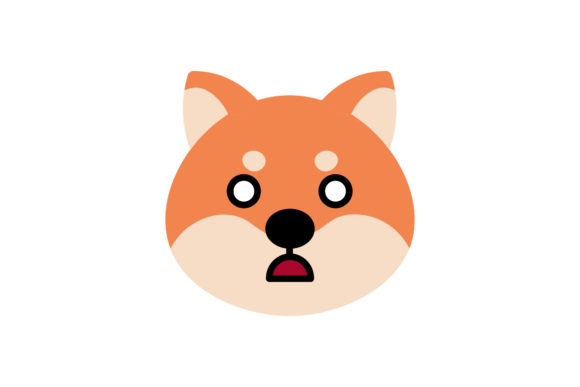
Let’s be honest—I opened Dog Head Graphic Design expecting something cute, maybe a little trendy, but not much more. What I found surprised me: a clean, confident silhouette with just enough character to feel expressive without tipping into cartoonish clutter. It’s an icon, yes—but one that breathes like a real design, not a clipart afterthought. As someone who’s stitched hundreds of custom orders—from boutique baby onesies to Etsy embroidery kits—I judged it not by how it looks on screen, but how it would hold up under needle, thread, and real-world wear.
First Stitch, First Impression: What This Design *Actually* Says
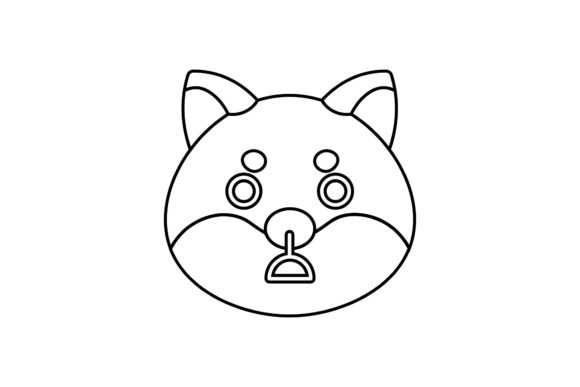
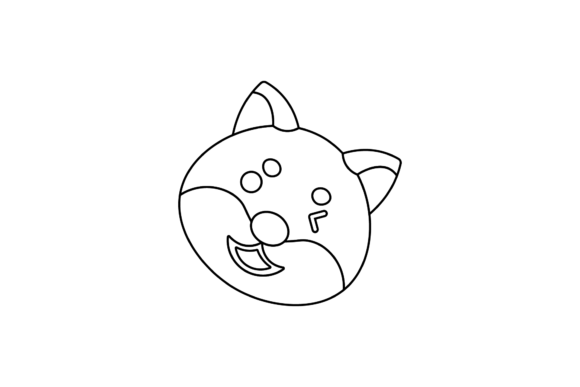
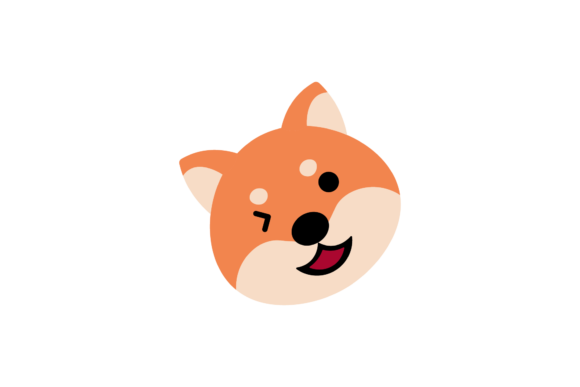
The moment I loaded the SVG into my digitizing software, I noticed how well the outline flows—no jagged vector points, no unnecessary anchor clusters. That matters. A smooth contour translates directly to cleaner satin stitch edges and fewer thread breaks when stitching at speed. The head is centered, slightly upright, with gentle curves around the muzzle and ears—not too stylized, not too literal. It feels friendly but grounded. Think “trusted neighborhood dog,” not “meme mascot.” That tone makes it quietly versatile: perfect for a handmade apron in a coffee shop’s gift corner, or a subtle embroidered patch on a linen pillow cover for a nursery.
Where It Shines (and Where It Needs a Pause)
I tested Dog Head Graphic Design across three real projects: a cotton tote bag for a local pet rescue fundraiser, a soft fleece baby blanket, and a structured twill cap for a small-batch apparel line. Here’s what held up—and where I slowed down.
- Tote bags & sweatshirt embroidery: Excellent. The shape scales cleanly from 3” to 5”, and the open negative space inside the head keeps fill stitch density manageable—even on medium-weight canvas. No puckering, no floaty threads.
- Baby embroidery & personalized gifts: Works beautifully on onesies and burp cloths—if you use lightweight cutaway stabilizer and reduce stitch count slightly in the inner ear curve. The design’s simplicity avoids overwhelming delicate fabrics.
- Caps & curved surfaces: Proceed with care. The full-width silhouette stretches awkwardly over the front panel unless resized to ~2.75”. I’d recommend using it as a center-front emblem—not wrapped around a curve.
- Dark fabric & layered garments: The clean outline means it reads clearly on navy or charcoal—but avoid placing it over seams or thick pockets without extra stabilizer. Also, skip it on double-layered hoodies unless you’re willing to trim backing thoroughly.
What This Design Does for Your Craft Business
As an Etsy seller and small shop product developer, I look beyond aesthetics—I ask: does this raise perceived value? Does it build trust? Does it convert?
Dog Head Graphic Design does all three—when used intentionally. Its icon-like clarity makes it instantly recognizable in digital mockups, which boosts click-through on listings. Customers scanning your shop see professionalism, not placeholder art. On finished products—a tea towel, a holiday ornament, a custom dog-walker’s apron—it reads as intentional, not generic. That subtle polish tells buyers you care about cohesion, not just speed.
But here’s the quiet truth: this isn’t a standalone “wow” piece. It’s a strong supporting player. It pairs exceptionally well with minimalist typography (“Biscuit & Co.”), subtle botanical borders, or monochrome thread palettes. Used alone, it’s charming. Used thoughtfully within a collection—say, alongside paw prints or bone motifs—it becomes part of a brand language.
Practical Notes Every Embroidery Designer Should Check
Before stitching your first client order or uploading to your digital shop, run through these:
- Test on scrap fabric first—especially if using textured weaves (like herringbone twill) or stretch knits. The outer curve can pull if stabilizer isn’t matched precisely.
- Review stitch density in the ear and eye area. Some versions of this design (depending on digitization) pack too many fill stitches into tight zones. If yours does, simplify manually—or request a lighter-density version from the seller.
- Confirm hoop size compatibility. At full 1920×1280 px resolution, the native vector gives you flexibility—but your embroidery file may need resizing to fit common hoops (4×4”, 5×7”). Don’t assume auto-resize will preserve proportions.
- Check thread color contrast on both light and dark fabric. This design relies on edge definition—not shading—so high-contrast thread (e.g., charcoal on cream, white on navy) delivers the cleanest result.
- Use proper stabilizer for your base fabric. Lightweight cutaway for knits, tear-away for stable wovens, and fusible + cutaway for fleece or terry cloth.
- Verify licensing before commercial use. The listing says “We guarantee that this design is…”—but doesn’t specify usage rights. If you plan to sell finished embroidered products or resell digital files, confirm whether this is for personal *and* commercial embroidery use.
A Final Thought for Makers and Sellers
Dog Head Graphic Design won’t replace your go-to script monogram or intricate floral motif—but it fills a quiet, essential gap: the reliable, scalable, emotionally warm icon that works across age groups, product types, and branding tones. It’s the kind of design that disappears into your work while making everything around it feel more considered. Use it on a kitchen towel for a new pet owner, stitch it onto a holiday stocking, or pair it with neutral thread on a linen market bag. Done right, it doesn’t shout. It belongs.