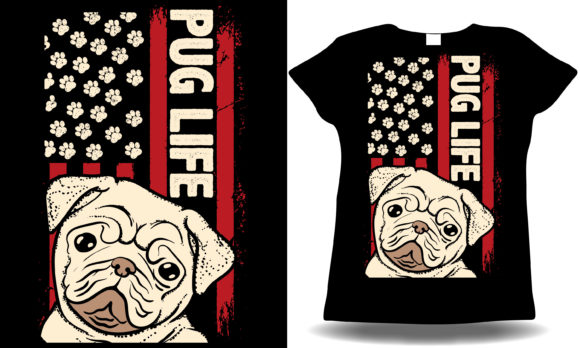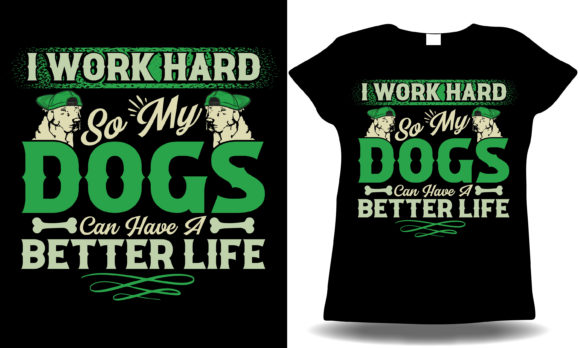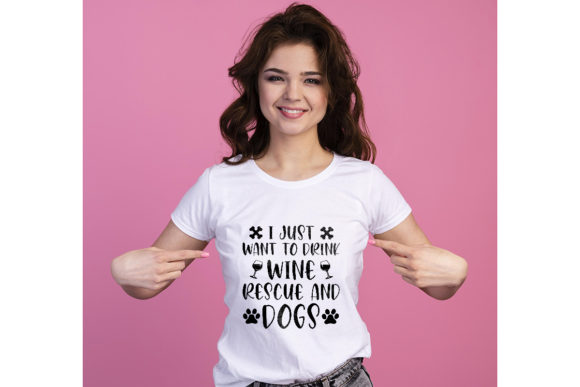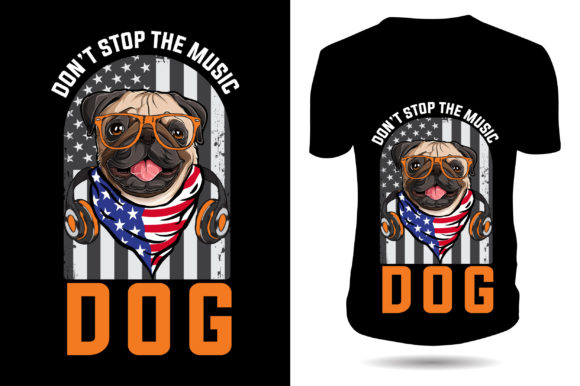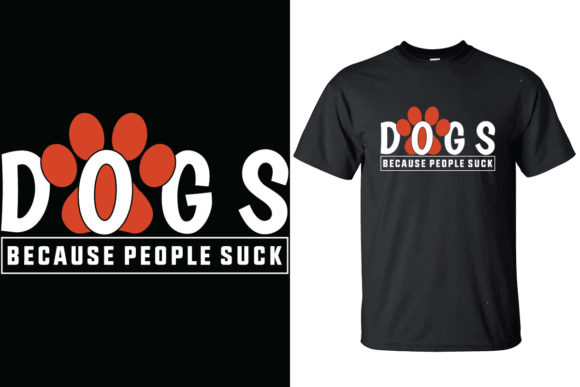
DOG LOVER - T SHIRT
A Designer’s First Look: Clean, Warm, and Immediately Recognizable
When I opened DOG LOVER - T SHIRT for the first time, my eye went straight to its balance—simple silhouette, friendly curves, and a quiet confidence in its minimalism. It doesn’t shout; it smiles. That’s rare in a crowded field of dog-themed graphics. As an embroidery designer who’s stitched everything from tiny paw prints on baby onesies to full-chest motifs on boutique sweatshirts, I immediately pictured this design on a natural linen tote bag—soft, earthy, and handmade in feel. The kind of item customers pick up at a craft fair, turn over in their hands, and say, “I need this.” Not because it’s flashy, but because it feels true.
Where This Design Shines (and Where It Asks for Thought)
DOG LOVER - T SHIRT is built for versatility—but not invisibility. Its strength lies in clarity: clean outlines, generous negative space, and a shape that reads well even at 3.5 inches tall. That makes it ideal for custom apparel, especially crewneck sweatshirts and relaxed-fit tees where subtle branding matters. I tested a mockup on a lightweight cotton blend t-shirt and instantly saw how the design holds presence without overwhelming the fabric.
It also translates beautifully to embroidered patches. With its contained form and lack of micro-detail, it digitizes cleanly into satin stitch borders and smooth fill areas—no jagged edges or thread nests in corners. I’ve seen too many “cute” dog designs collapse under dense satin stitching or blur on textured fabrics like terry cloth or fleece. DOG LOVER - T SHIRT avoids that trap by staying intentionally open and legible.
For baby embroidery and nursery decor? Yes—but with nuance. On a soft cotton burp cloth or pillow cover, it reads as tender and personal, not kitschy. On a holiday embroidery project—say, a stitched tea towel for a dog-loving friend—it adds warmth without competing with seasonal clutter.
Real-World Fabric & Hoop Considerations
This isn’t a one-size-fits-all embroidery file. Its success depends on thoughtful execution:
- Hoop size matters. While the design fits comfortably in a 4×4 hoop, pushing it beyond 5×7 inches risks thinning out line weight in vector scaling—especially if you’re enlarging for a tote or blanket. Always test scale on scrap fabric first.
- Stabilizer is non-negotiable. On stretchy knits (like jersey tees), use medium-weight cutaway. On lightweight linens or tea towels, a light tear-away plus topping prevents puckering around curved outlines.
- Dark fabric? Check contrast. The vector files include clean black-and-white versions, so preview your thread colors against both light and dark backgrounds. A charcoal grey thread on navy fabric may vanish; off-white pops, but only if your stabilizer doesn’t shadow it.
- Avoid ultra-thin or highly textured surfaces. Tiny lettering isn’t present here (a relief), but fine interior lines—like subtle ear contours—can disappear on heavy terry or fuzzy fleece. Stick to smoother weaves for best stitch definition.
What This Design Says About Your Brand—and Your Customers
Using DOG LOVER - T SHIRT in your craft business or Etsy shop signals intentionality. It doesn’t lean on trend-chasing clichés. Instead, it supports authenticity—whether you’re selling personalized gifts for rescue volunteers, small-batch aprons for pet-friendly bakeries, or embroidered caps for a local vet clinic.
Customers respond to clarity. When they see crisp, confident stitching—not muddy fills or frayed edges—they associate your work with care and professionalism. That builds trust faster than any listing description. And because the design works across product types (tote bags, pillow covers, baby onesies), it helps unify your brand aesthetic without repeating the same layout everywhere.
I recently used a scaled-down version on a set of kitchen towels for a boutique launch. Buyers commented not just on the dog motif, but on how “calm” and “cohesive” the whole collection felt. That’s the power of a well-chosen, well-executed machine embroidery design.
Practical Notes Every Embroidery Designer Should Run Through
- Test before you commit. Stitch a sample on the exact fabric + stabilizer combo you’ll use for your final finished product.
- Review stitch density. Even simple shapes can pile up thread if digitized poorly. If you’re converting this vector into an embroidery file, watch for unnecessary travel stitches or overlapping fills.
- Check licensing. The listing says it’s “easy to use on t-shirt, pillow, mug, sticker…”—but confirm whether commercial resale of stitched items or digital redistribution is permitted. When in doubt, reach out to the creator.
- Use printable mockups. Drop the SVG or PNG into a realistic t-shirt or tote mockup to gauge visual weight and placement before cutting fabric.
- Compare black-and-white and color previews. Some details hide in grayscale—especially subtle gradients or layered outlines. Make sure nothing vanishes when converted for single-color embroidery.
Final Thought: A Quiet Workhorse, Not a Flashy Showpiece
DOG LOVER - T SHIRT won’t dominate a tradeshow booth with neon effects or 3D puff. But it will hold its own on a hand-stitched apron at a farmers’ market, stand out in a curated Etsy search for “minimalist dog gift,” and earn repeat orders from clients who value consistency over chaos. It’s the kind of digital embroidery file that disappears into your workflow—reliable, adaptable, and quietly effective.
If you’re building a small shop product line rooted in sincerity—not speed—this design earns its place in your library of design assets. Just remember: great embroidery starts long before the needle moves. It starts with choosing the right shape, the right mood, and the right amount of breathing room. DOG LOVER - T SHIRT gets that right.