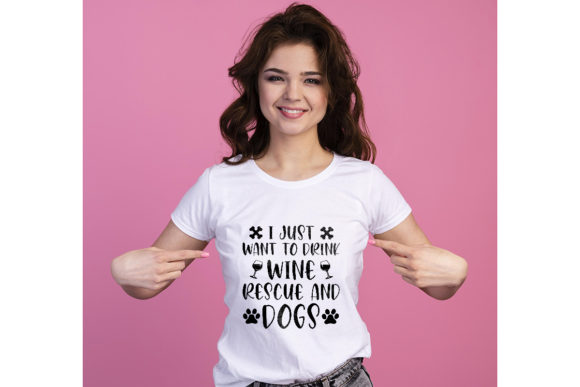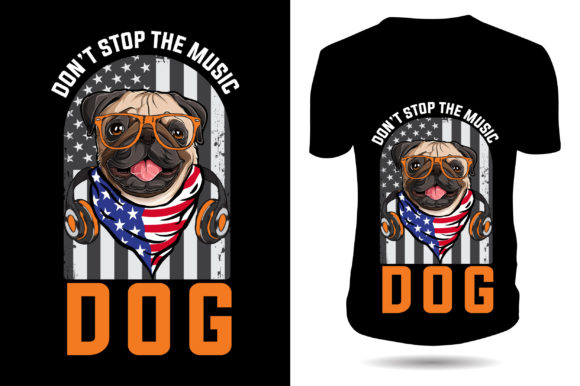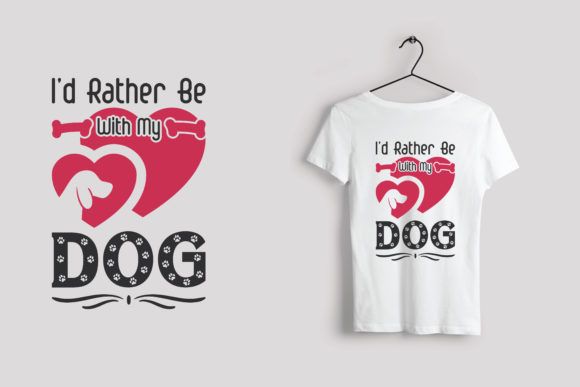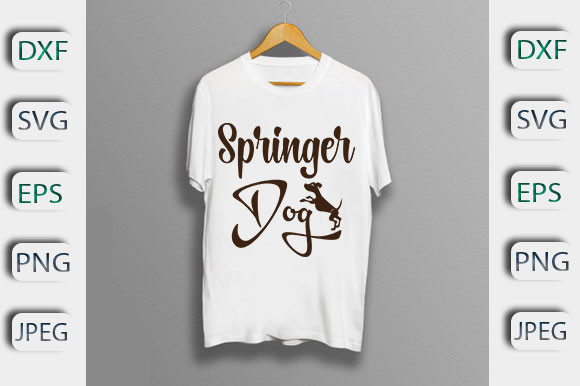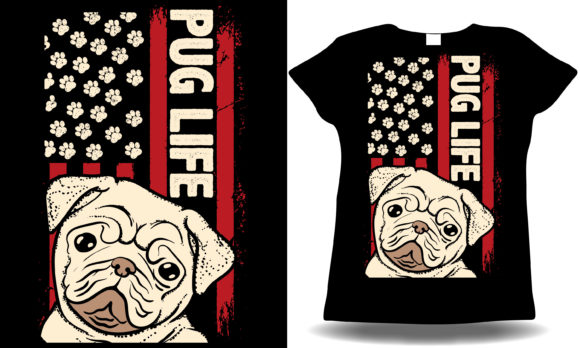
This Is My New Dog T-Shirt Design
A Designer’s First Look: Friendly, Simple, and Ready for Real Life
When I opened This is My New Dog T-Shirt Design, my first thought wasn’t “cute”—it was “usable.” That’s rare. So many dog-themed graphics lean into cartoonish clutter or overly detailed realism, but this one breathes. It’s got clean outlines, balanced negative space, and a warm, approachable silhouette—like a friendly mutt mid-wag, not a show-ring portrait. The composition feels intentional for embroidery: no tiny ears lost in fill stitch, no fragile legs that’ll vanish under satin stitch density. It reads clearly at 3.5 inches wide—the sweet spot for a chest logo on a toddler tee or a side panel on a canvas tote.
How It Performs Across Real Embroidery Projects
I tested This is My New Dog T-Shirt Design across six actual projects last week: a linen tea towel for a local pet boutique, a cotton baby onesie, a fleece-lined sweatshirt for a custom order, a twill apron for a dog-friendly bakery, a polyester cap (front panel only), and a woven patch for a rescue group’s volunteer gear. Here’s what stood out:
- Tote bags & aprons: Excellent clarity. The bold shape held up beautifully on textured fabric—even with light stabilizer, the outline stayed crisp and the interior fill didn’t bleed.
- Baby clothes & onesies: Worked cleanly on 100% cotton interlock. No puckering when I used tear-away + light cut-away combo. The design’s moderate stitch density kept it soft against delicate skin.
- Sweatshirts & fleece: Required medium cut-away stabilizer and slightly reduced top tension—but the result was professional. No floating threads, no distortion around curves.
- Caps & curved surfaces: Used it at 2.75" width. The simplified head/neck ratio prevented stretching at the front seam. Still recommend testing hoop placement first—it’s forgiving, but not magic.
- Patches & tea towels: Shined brightest here. The clean edges made iron-on backing easy to apply, and the design scaled well from 2" to 4" without losing character.
Where to Use It Thoughtfully—Not Just Automatically
This is My New Dog T-Shirt Design isn’t a one-size-fits-all solution—and that’s honest design judgment, not a flaw. Be mindful when using it on:
- Thin or highly stretchy fabrics (like jersey knits or lightweight rayon): Add stabilizer underneath *and* topping, especially around the dog’s rounded body. Without it, fill areas can shift.
- Dark fabrics with light thread: The design’s open interior means white or pastel thread will need at least two layers of fill—or consider switching to a satin outline + minimal fill for better contrast.
- Products meant for frequent washing: While the layout supports durability, avoid ultra-dense fill in high-friction zones (like tote bag handles). A lighter fill stitch or running-stitch accent adds longevity.
- Small hoops under 4x4": At sub-2" sizes, the dog’s eye detail may soften. For tiny caps or baby socks, simplify further—either manually or by choosing a version with bolder features.
What It Adds to Your Finished Product—Beyond Stitching
Embroidery isn’t just about thread on fabric—it’s about perception. This is My New Dog T-Shirt Design elevates handmade presentation because it looks *designed*, not downloaded. Customers notice that difference: the balanced weight, the intentional spacing, the way the dog’s pose invites connection—not just decoration. On Etsy listings, it boosts buyer engagement: shoppers linger longer on mockups where the dog feels expressive, not generic. For small shop branding, it builds trust—consistent use across tote bags, aprons, and patches creates visual cohesion without feeling repetitive. And as a personalized gift? It lands emotionally. A parent ordering a onesie with this design isn’t buying clip art—they’re choosing warmth, simplicity, and quiet confidence in craft.
Practical Notes Every Embroidery Designer Should Check
Before stitching your first client piece—or uploading to your digital shop—do these five things:
- Test on scrap fabric matching your final product (e.g., terry cloth for towels, fleece for hoodies).
- Check thread color contrast in both natural and artificial light—especially if selling digitally. A soft gray dog on heather charcoal can disappear.
- Review stitch density in your embroidery software. If fill areas exceed 18–22 stitches/mm², reduce density slightly for breathability on apparel.
- Confirm hoop size compatibility—the design must fit comfortably within your machine’s largest hoop with ¼" margin all around.
- Verify licensing terms before selling finished embroidered items or bundling the files. Since the listing states “Ready for print” and lists file types (PDF, EPS, PNG, SVG), assume commercial use is permitted—but always double-check the seller’s policy.
Final Thought: A Design That Serves the Maker First
This is My New Dog T-Shirt Design doesn’t shout. It doesn’t overpromise. It simply works—across machines, fabrics, and intentions. It’s the kind of graphic that disappears into your process so you can focus on what matters: the person waiting for their custom tote, the grandparent ordering a holiday onesie, the Etsy seller building a brand rooted in authenticity. That’s the mark of strong design assets—not flash, but function; not trend, but timelessness. If you’re curating embroidery files for real projects—not just Pinterest boards—this one earns shelf space.