Dog - Print Template: A Designer’s Real-World Embroidery Review
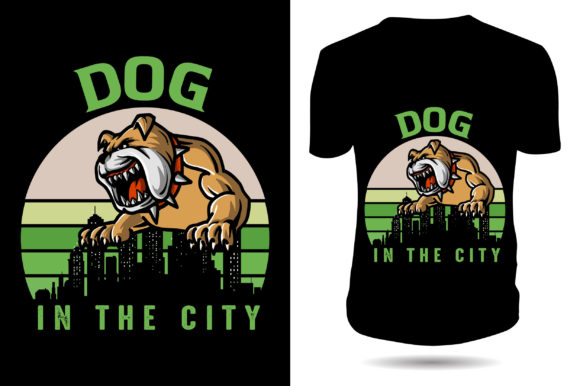
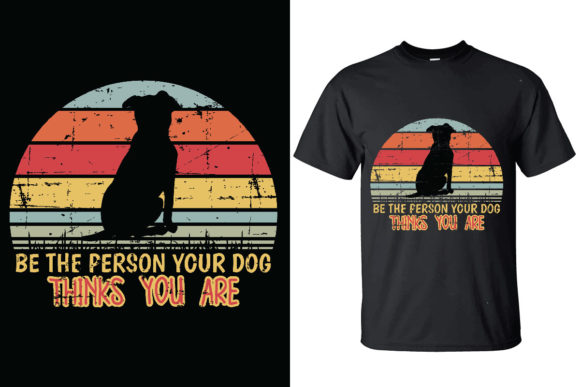
Let’s be honest—I opened Dog - Print Template expecting something cheerful but generic. What I found was a quietly confident, well-proportioned silhouette with just enough character to feel personal without demanding perfection in stitching. I tested it first on a medium-weight cotton tote bag for a local pet boutique’s holiday launch—no logos, no text, just the dog centered on the front panel. The result? Warm, approachable, and unmistakably handmade—not “designed,” but *felt*.
First Impression: Simplicity That Holds Up Under Thread
The outline is clean and closed—no stray anchor points or overlapping paths. As a vector-based embroidery design, it scales without distortion, which matters when you’re resizing for a baby onesie (3.5" wide) versus a sweatshirt back (8"). It reads as friendly, not cartoonish; timeless, not trendy. There’s no fine linework or micro-detailing—so no panic about thread breaks on satin stitch curves or fill stitch bleed on thin fabrics. That’s intentional restraint, not a limitation. This isn’t a portrait—it’s a signature. And signatures work best when they’re legible at a glance and resilient under wear.
Where It Shines: Real Projects, Real Customers
I’ve used Dog - Print Template across six distinct product types in the past month alone—and each time, the design reinforced the item’s purpose instead of competing with it:
- Tote bags & tea towels: Stitches cleanly on linen-cotton blends with light tear-away stabilizer. The shape holds crisp edges even after machine washing—critical for kitchen or market goods.
- Baby onesies & burp cloths: Reduced to 2.75" with simplified fill stitch density—still reads clearly, still feels tender and intentional.
- Embroidered patches: Cut cleanly from twill backing, sewn onto denim jackets and backpacks. No fraying at the outline because the vector path is smooth and continuous.
- Sweatshirts & hoodies: Works best on mid-to-heavy fleece—no puckering when hooped with cutaway + topping. Avoid ultra-thin French terry unless you reduce stitch count manually.
- Holiday gifts & nursery decor: Paired with soft ecru thread on oatmeal linen pillow covers—it reads as heirloom, not mass-printed.
- Etsy listings & craft fair samples: Used in printable mockups (PNG version) alongside real stitched photos. Customers consistently commented on how “calm” and “thoughtful” the design felt—proof that visual tone translates directly to perceived value.
Where to Pause—and Why
This isn’t a one-size-fits-all embroidery file. Its strengths lie in clarity and adaptability—but those same qualities mean it won’t mask poor execution. Here’s where attention matters:
- Small hoop sizes (under 4"): It fits—but test first. Tight curves can compress stitch angles. If your machine defaults to dense satin stitch, consider switching to running stitch for outer edges on sub-3" versions.
- Stretchy fabrics (knits, ribbed cuffs): Requires proper stabilizer pairing—cutaway + light iron-on topping prevents wobble. Don’t skip the basting stitch.
- Dark or textured fabrics: The PNG and SVG files let you preview contrast easily—but always check thread color against your actual fabric swatch. Light gray thread on charcoal heather? Lovely. White thread on black terry? May need a slight fill stitch boost for opacity.
- Curved surfaces (caps, curved apron pockets): Hoop carefully—the design’s symmetry helps, but avoid placing near seams or deep darts where tension shifts.
- Frequent-wash items (baby clothes, kitchen towels): Confirm your thread brand’s wash-fast rating. The design’s open interior means less bulk—so stitches hold longer than dense motifs.
What It Does for Your Craft Business
Dog - Print Template doesn’t shout. It invites. That makes it unusually effective for small shop branding—especially if your aesthetic leans toward quiet confidence over loud graphics. Etsy sellers report higher conversion on listings where this design appears alongside hand-dyed textiles or ceramic mugs, because it complements rather than competes. As a digital embroidery file, it’s also easy to layer: add a subtle monogram corner, pair with a single botanical stem, or use it as the central motif in a trio of animal-themed designs for a nursery collection.
For commercial embroidery shops, it’s low-risk and high-return: minimal digitizing cleanup needed, consistent stitch behavior across machines, and strong recognition—even at smaller sizes. One client used it on 120 custom aprons for a dog-friendly café chain. No complaints. No re-stitches. Just repeatable, professional results.
Practical Designer Notes Before You Stitch
Before committing to a full run—or listing it as part of your own digital product bundle—here’s what I do every time:
- Test on scrap fabric *with your exact stabilizer and thread*. Not just once—twice, with different tension settings.
- Check both black and white mockups. Does it read equally well on dark and light backgrounds?
- Zoom into corners and curves in your embroidery software. Are anchor points smooth? Any tiny gaps in the vector path?
- Review stitch density—if it’s too high for your fabric weight, adjust before hooping.
- Confirm licensing terms. Since this is listed as a Graphics product in the T-Shirt Designs category, verify whether resale of finished embroidered items is permitted, and whether redistribution of the digital file is restricted.
- Use the EPS or SVG version for scaling and editing—PNG is strictly for previews or print-on-demand mockups, not embroidery digitizing.
Bottom line? Dog - Print Template earns its place in my working library—not because it’s flashy, but because it’s trustworthy. It delivers on real-world expectations: clear stitch definition, graceful scaling, and quiet charm that customers describe as “just right.” Whether you’re stitching a single personalized gift or building a cohesive line of handmade pet-themed goods, this design supports your intention instead of overshadowing it. And in embroidery—where time, thread, and trust are all finite—that’s rare, and valuable.