4th July - Dog
A Designer’s First Look: Friendly, Festive, and Fit for Stitching
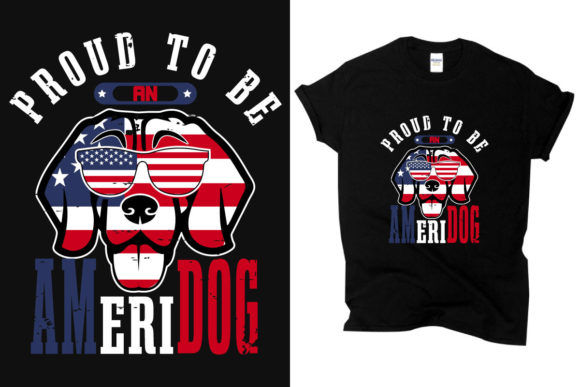
When I opened 4th July - Dog for the first time, I wasn’t scanning for fireworks or flags—I was looking for rhythm. Does the shape hold up at 3 inches wide on a baby onesie? Does the dog’s expression stay legible after satin stitch fills the ears? Will the star-and-ribbon motif read clearly on a textured linen tea towel? This isn’t just a graphic—it’s a promise of how your finished product will land with customers. And 4th July - Dog delivers that promise with quiet confidence: it’s cheerful without being cloying, patriotic without being stiff, and detailed enough to feel handmade—but not so intricate that it fights your machine.
Real Project Test: A Custom Embroidered Tote for a Local Farmers’ Market Booth
Last week, I stitched 4th July - Dog onto a natural canvas tote for a small-batch bakery’s Independence Day pop-up. We used medium-weight tear-away stabilizer, 40-weight cotton thread, and a 4-inch hoop. The design scaled cleanly to 3.75” wide—just right for the tote’s front panel. What stood out wasn’t just how sharp the vector lines stayed in stitch-out, but how the composition *breathed*: the dog’s pose opens toward the handle, the stars orbit gently, and the ribbon curls just enough to suggest motion—not chaos. Customers paused. Smiled. Asked, “Is that your dog?” That’s the sign of a design that bridges decoration and connection—and 4th July - Dog does that consistently.
Where It Shines (and Where to Pause)
4th July - Dog works beautifully across a range of embroidery projects—but not all equally. Here’s where it truly elevates your work:
- Sweatshirt embroidery: The bold outlines and moderate fill areas prevent sinking into heavy fleece.
- Embroidered patch: Clean vector edges mean crisp heat-seal or sew-on results—even at 2.5”.
- Baby embroidery: No tiny text or fragile details; the dog’s face is friendly and forgiving at small scale.
- Holiday gift items: Pairs naturally with kitchen towels, pillow covers, and aprons—especially when paired with simple red/white/blue thread palettes.
- Commercial embroidery: Its balanced density avoids excessive stitch count, helping maintain production speed without sacrificing charm.
That said, proceed thoughtfully with:
- Curved surfaces like caps—test hoop placement early; the dog’s head sits high, so avoid stitching too close to the crown seam.
- Thin or stretchy fabric (e.g., lightweight tees): Use cut-away stabilizer and reduce top tension slightly—the ribbon tail and star points need support to stay defined.
- Dark fabric: The design includes subtle internal highlights; confirm those translate well in thread (a light tan or ivory works better than stark white on navy).
- Frequent-wash items like kids’ clothing: Avoid ultra-dense fill in the dog’s collar area—opt for a looser fill stitch or slight underlay to prevent stiffness.
Design Assets That Build Trust—Not Just Decoration
As an Etsy seller and small shop product developer, I don’t just ask, “Does this look nice?” I ask, “Does this make my buyer feel seen?” 4th July - Dog earns trust because it feels intentional—not generic. It’s not a clipart dog wearing a flag; it’s a design with posture, personality, and purpose. When stitched on a personalized gift, it reads as *curated*, not copied. That nuance lifts perceived value—especially for handmade product listings where buyers pay a premium for authenticity.
It also supports brand consistency. Whether you’re building a boutique line around Americana pets or launching a seasonal collection for craft fairs, 4th July - Dog fits without shouting. It’s versatile enough for digital embroidery file bundles, printable mockups, or standalone graphics—but never loses its tactile warmth.
Practical Notes Every Embroidery Designer Should Check
Before stitching 4th July - Dog into your next project, take these five minutes:
- Test on scrap fabric—especially if using textured weaves or blends. Watch how the ribbon curl stitches over seams or irregular surfaces.
- Review thread color contrast in both light and dark mockups. Some star points vanish on black unless you adjust fill density or add outline stitches.
- Confirm hoop size compatibility. While the vector files scale easily, very tight hoops (under 3”) may require simplifying the ribbon ends or adjusting stitch order.
- Inspect small details in the .SVG and .EPS files—not just the PNG. Are anchor points clean? Is the dog’s nose a single smooth curve or a cluster of micro-nodes that could snag during digitizing?
- Verify licensing before selling finished products or digital embroidery files. The description says it’s “easy to use on t-shirt, pillow, mug, sticker, apparel”—but commercial rights aren’t stated outright. Always double-check before listing on Etsy or bundling into craft business kits.
Final Thought: A Design That Stitches Well—And Sells Well
4th July - Dog doesn’t try to be everything. It’s not a maximalist fireworks explosion or a hyper-realistic portrait. It’s a focused, joyful, well-proportioned piece of T-Shirt Designs craftsmanship—designed to translate faithfully from screen to stitch to shelf. For embroidery designers, craft business owners, and creative entrepreneurs, that reliability is rare. It saves time in digitizing, reduces customer returns due to unclear detail, and quietly reinforces why handmade matters: because every star, every paw, every ribbon curl feels chosen—not automated. If you’re curating Graphics for holiday collections, personalized gifts, or small shop merchandise, 4th July - Dog isn’t just usable. It’s quietly essential.