Coloring Page Character Animal Dog
A Designer’s First Look: Simple, Sweet, and Stitch-Ready
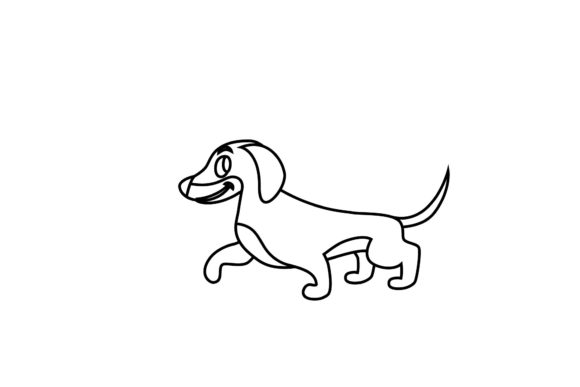
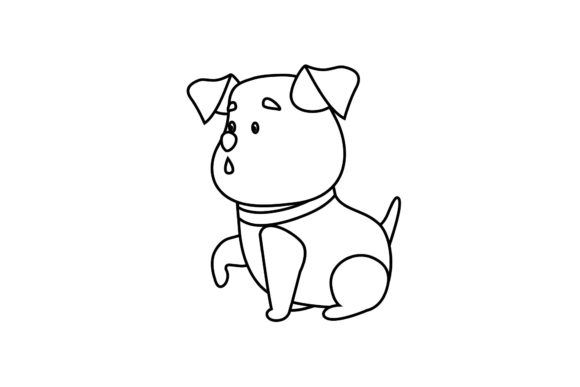
When I opened Coloring Page Character Animal Dog, my first thought wasn’t “cute”—it was “clear.” The line work is confident but uncluttered, with gentle curves, open negative space, and intentional weight in the outlines. It reads like a hand-drawn coloring page: friendly, approachable, and built for interpretation—not rigid perfection. That’s a huge plus for embroidery. Unlike hyper-detailed vector art that fights against stitch logic, this design breathes. It invites color choices, thread textures, and even subtle imperfections that make handmade products feel warm and human.
Where This Design Truly Shines (Real Projects, Real Results)
Last week, I prepped a small-batch run of embroidered canvas tote bags for a local pet boutique—custom pieces with names stitched below each dog. I used Coloring Page Character Animal Dog as the central motif. On 12-oz natural canvas, with medium-weight cutaway stabilizer and matte cotton thread, it stitched cleanly at 3.5" wide. The bold outlines held up beautifully in satin stitch, while the open eyes and simplified ears translated into crisp, readable shapes—not muddy blobs or fragile filigree. Customers loved how the design felt personal without being overly precious. It worked equally well on organic cotton tea towels (with tear-away stabilizer) and soft fleece baby blankets (using lightweight fusible + topping). For Etsy sellers or craft fair vendors, this is low-risk, high-recognition embroidery: instantly legible, scalable, and emotionally resonant.
Why It Fits So Well on Apparel & Personalized Goods
- Sweatshirts and hoodies: The clean silhouette avoids dense fill areas that can stiffen fabric—ideal for relaxed-fit crewnecks where drape matters.
- Baby onesies and burp cloths: No tiny interior details mean fewer thread breaks and easier weeding if you’re doing heat-transfer vinyl overlays alongside stitching.
- Embroidered patches: The strong outer contour makes it easy to digitize for clean edge cuts and stable backing.
- Holiday and nursery decor: Paired with simple monograms or seasonal accents (a bow, a paw print), it adds charm without visual noise.
Where to Pause—and Test Before You Commit
Coloring Page Character Animal Dog isn’t magic—it’s a tool. And like any tool, its success depends on context. Here’s where attention pays off:
- Hoop size & scale: At 2000px × 2000px, the source files give you flexibility—but don’t assume 4" will always fit. Always check your final stitch file’s dimensions before hooping. A 2.75" version may behave very differently on a curved cap visor than the same design at 3.25" on a flat pillow cover.
- Fabric texture & stretch: On jersey or ribbed knit, use light tear-away + topping to prevent puckering. On dark fabrics, test thread contrast early—white or cream thread pops nicely, but avoid pale yellows or light grays unless you’re adding underlay.
- Stitch density & detail level: While the design avoids micro-detail, those smooth curves still need consistent stitch spacing. Run a test on scrap fabric using your intended thread colors and stabilizer combo. Watch corners and ear tips—they’re common spots for skipped stitches or thread nesting.
- Commercial use clarity: Since this falls under Icons and Graphics, confirm licensing covers finished product resale *and* digital redistribution if you plan to bundle it in a craft kit or embroidery pack.
What It Adds to Your Handmade Product—Beyond the Stitch
Using Coloring Page Character Animal Dog does more than fill space—it signals intention. Its simplicity says “thoughtful,” not “rushed.” On a personalized gift—say, a child’s backpack or a custom apron for a vet tech—it feels curated, not generic. That builds trust. Buyers notice when embroidery looks balanced, legible, and integrated—not pasted on. For small shop owners, that perception lifts perceived value: a $38 embroidered kitchen towel feels worth it because the dog motif is clean, cheerful, and doesn’t overwhelm the textile.
It also plays well across branding. Whether you’re building an Etsy shop around pet-themed goods or launching a line of nursery essentials, this design adapts without needing heavy reworking. Use it solo for minimalist impact, pair it with a handwritten font for names, or layer it subtly behind a larger quote for depth—all while keeping your visual voice consistent.
Practical Notes Every Embroidery Designer Should Keep Handy
- Always run a printable mockup in both light and dark backgrounds—what reads well on screen doesn’t always translate to thread-on-fabric.
- Test black and white first. If the shape holds up without color, your stitch execution will too.
- Check all six file types (AI, EPS, SVG, JPG, PNG, DXF)—some machines handle SVG natively; others need the AI or EPS for clean path data. Don’t assume one format fits all workflows.
- For commercial embroidery clients, share a stitched sample *before* bulk production—not just a digital preview.
- If offering this as part of a digital embroidery file bundle, clarify whether end users need digitizing software or if you’re providing ready-to-stitch formats (even if not included here).
Final Thought: A Quietly Versatile Workhorse
Coloring Page Character Animal Dog won’t shout. But it delivers—consistently, quietly, and with real utility. It’s the kind of embroidery design that disappears into your best work: supporting your brand, enhancing your handmade product, and landing right with customers who value authenticity over flash. Whether you're stitching baby embroidery for a boutique launch or building a catalog of custom apparel assets for your craft business, this one earns its place in your working library—not as decoration, but as reliable design infrastructure.