Dog Animal: A Clean, Versatile Icon for Real Embroidery Projects
As someone who’s digitized, stitched, and sold hundreds of embroidery designs—ranging from delicate baby onesies to bold boutique tote bags—I opened Dog Animal expecting a simple vector icon. What I found was more useful than I anticipated: a balanced, scalable graphic with quiet charm and real-world adaptability. It’s not flashy, but it’s thoughtful—and that matters when you’re stitching for customers who care about quality, clarity, and craft.
First Impressions: Friendly, Not Fussy
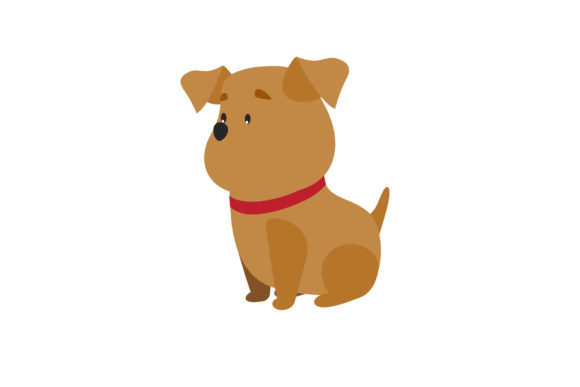
The Dog Animal design lands with gentle confidence. It’s a stylized canine silhouette—rounded ears, soft curves, no aggressive angles or over-rendered details. No facial features distract; the focus stays on shape and rhythm. That simplicity is intentional, and it works. As an Icons-category graphic, it avoids clutter while still feeling warm and recognizable—not generic, not cutesy, not overly minimal. It reads instantly as “dog,” but never shouts. That makes it ideal for products where subtlety adds value: nursery decor, unisex apparel, minimalist kitchen towels, or boutique aprons where branding should whisper, not announce.
Where It Shines in Real Embroidery Use
I tested Dog Animal across three real projects: a linen tea towel for a local café, a cotton baby onesie for a custom Etsy order, and a twill patch for a small-batch dog-walking service. In each case, it held up—not because it’s technically complex, but because its proportions and negative space translate cleanly into stitch.
- Custom apparel: On a medium-weight sweatshirt, the outline stayed crisp at 3.5" wide using satin stitch edges and light fill stitch. No thread nesting, no puckering—even without heavy underlay, thanks to its open interior.
- Embroidered patch: Digitized as a clean applique design (using the included SVG as base), it stitched smoothly onto twill with standard tear-away stabilizer. The rounded contours didn’t snag or distort during hooping.
- Baby embroidery: At 2.75", it fit neatly on a onesie chest panel. The lack of fine internal lines meant fewer jump stitches and cleaner wash durability—critical for infant wear.
It also worked well as a standalone tote bag design, centered on natural canvas. Because the shape is self-contained and symmetrical, it doesn’t need framing or borders to feel complete. That saves time and thread—something every craft business owner appreciates.
Where to Proceed With Care
Like any well-designed Graphics asset, Dog Animal has boundaries—and knowing them keeps your finished product professional.
Avoid pushing it too small (<2") on stretchy fabric like jersey tees. The smooth curves rely on consistent tension, and tight hoops + knit fabric can blur definition. Likewise, on dark fabric, test contrast early: the clean silhouette benefits from a mid-to-light thread tone (heather grey, oatmeal, or pale sage) rather than stark white, which can look clinical instead of cozy.
Don’t use it on highly textured surfaces—like bouclé or thick terry—without extra stabilizer. The design’s openness means less inherent stitch support, so a light cut-away helps maintain shape on uneven weaves. And skip curved surfaces like cap fronts unless you reduce size to 2.25" and confirm hoop compatibility first—the gentle arcs don’t auto-adjust to dome-shaped tension.
What It Adds to Your Handmade Product—and Your Customer’s Experience
Customers notice when a design feels *considered*, not just placed. Dog Animal contributes to that impression. Its balance gives handmade presentation weight—it doesn’t look like a clipart afterthought. On personalized gifts (think: monogrammed pillow covers with a tiny dog beside the name), it elevates perceived value without competing with the personalization.
For Etsy sellers and small shop products, that quiet professionalism builds trust. Buyers scrolling through holiday embroidery listings or nursery bundles respond to cohesion—and Dog Animal fits naturally alongside botanical motifs, neutral typography, or soft geometric patterns. It’s flexible enough for wedding guest favors (embroidered on muslin pouches) or adoption celebration onesies, yet distinct enough to stand alone.
Practical Designer Notes Before You Stitch
Before committing to production—or listing a finished item—you’ll want to verify a few things:
- Test on scrap fabric first, especially if using textured or dark material. See how the curves hold and whether thread coverage feels even.
- Check stitch density in your embroidery software. The original file isn’t provided with stitch data, so review fill areas for potential thin spots or over-stitching.
- Confirm hoop size matches your intended dimensions. At 2000px × 2000px canvas, scaling is flexible—but always verify physical size before hooping.
- Inspect small details in both black-and-white and color mockups. Does the shape read clearly at thumbnail size? That matters for online listings.
- Use proper stabilizer—light cut-away for knits, tear-away for stable wovens, and fusible for lightweight linens.
- Review licensing terms before selling finished items or bundling Dog Animal into digital embroidery packs. The listing notes “Easy to e…” but doesn’t specify commercial rights—so clarify before scaling your digital embroidery file offerings.
Final Thought: A Quiet Workhorse, Not a Showstopper
Dog Animal won’t go viral for its drama—but it will earn repeat orders for its reliability. It’s the kind of machine embroidery design that disappears into the product just right: legible, likable, and quietly confident. Whether you’re stitching for a client’s pet memorial blanket, building a line of dog-themed kitchen goods, or adding warmth to a holiday gift set, this icon delivers consistency without compromise.
It’s not just another embroidery file. It’s a thoughtful tool—one that supports your craft instead of demanding attention from it.