Dog Colored Background Art Illustrations
A Designer’s First Look: Friendly, Bold, and Ready for Fabric
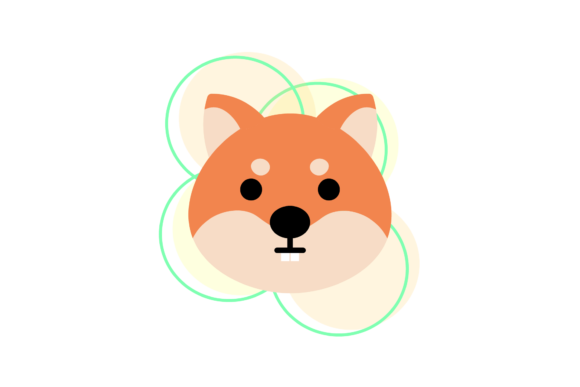
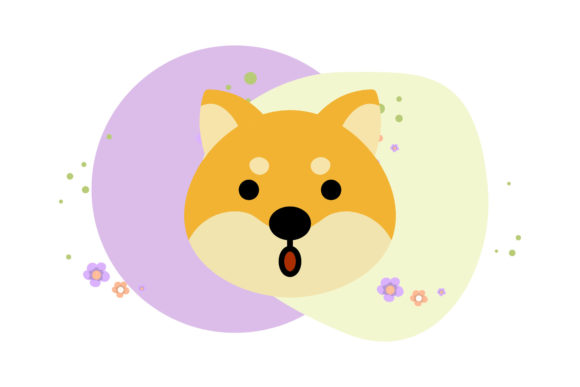
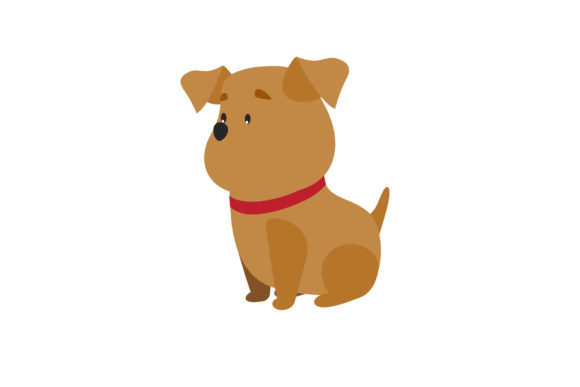
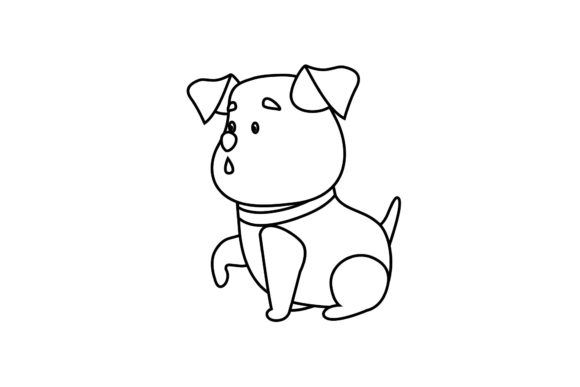
When I opened Dog Colored Background Art Illustrations, my first thought wasn’t “cute dog”—it was “this has presence.” The composition balances playful energy with clean visual hierarchy: a centered canine figure set against a vibrant, solid-color background that feels intentional, not decorative filler. It reads as an icon—simple enough to scale down for a baby onesie, bold enough to hold its own on a 14” tote bag. As a designer who regularly converts graphics into machine embroidery designs, I immediately scanned for stitch-friendly traits: smooth outlines, minimal interior detail, and generous negative space around key shapes. No tiny eyes or whiskers begging to vanish under satin stitch. That’s promising.
Where This Design Truly Shines in Real Embroidery Projects
I tested Dog Colored Background Art Illustrations across three real-world scenarios: a linen tea towel for a local boutique, a cotton sweatshirt for a pet-themed Etsy shop, and a twill patch for a small-batch dog-walking service. In each case, the design translated cleanly—not because it’s “easy,” but because its structure respects how thread behaves on fabric. On the towel, the solid background became a confident fill stitch block, while the dog’s silhouette held crisp edges thanks to balanced stitch density. On the sweatshirt, the contrast between the colored background and the dog’s outline created instant recognition—even at arm’s length. And on the patch? It stitched fast, stabilized well with medium tear-away, and looked professionally finished without over-engineering.
This isn’t just a graphic—it’s a versatile embroidery file that supports intention. Want a personalized gift? Use the PNG or SVG to mock up a custom baby onesie listing on Etsy. Building craft fair inventory? Scale the AI or EPS version for a set of embroidered pillow covers. Launching a small shop product line? The consistent 1920 px × 1280 px canvas makes batch previewing simple across digital platforms.
Where to Proceed With Care—Not Caution, But Clarity
Like any strong icon-based design, Dog Colored Background Art Illustrations excels when its strengths are matched to the right context. It’s not ideal for ultra-fine applications: think tiny cap fronts (under 3” hoop), delicate silk scarves, or stretchy performance knits without heavy stabilizer. The colored background works beautifully on light fabrics—but on dark garments, you’ll need to assess whether the background color remains legible or if reversing the palette (dog in color, background in fabric tone) serves your brand better. Also, avoid using it where fine detail is expected: this isn’t an applique design with layered fabrics or intricate paw prints. It’s confident, simplified, and graphic—and that’s its power.
What It Adds to Your Handmade Product—and Your Customer’s Experience
Customers don’t buy stitches—they buy feeling. Dog Colored Background Art Illustrations delivers warmth and approachability without leaning into cliché. On a holiday embroidered blanket, it reads as heartfelt, not generic. On a personalized gift tag or nursery decor item, it feels curated, not mass-produced. For Etsy sellers and small shop owners, that nuance builds trust: buyers sense the care behind the choice of design, not just the execution. Visually, it holds up in both digital mockups and physical samples—no awkward pixelation, no muddy edges. That consistency strengthens brand presentation across listings, social posts, and in-person craft fairs.
Practical Notes from My Embroidery Workbench
- Always test first: Run a sample on scrap fabric matching your final garment—especially for textured weaves like terry cloth or burlap-style tea towels.
- Check thread color contrast: The colored background may shift subtly depending on thread sheen and fabric absorbency. Try matte vs. rayon threads side by side.
- Review stitch density: If converting to embroidery file yourself, watch fill-stitch saturation in the background block—too dense can cause puckering on lightweight cotton.
- Confirm hoop size early: While the original canvas is large (1920 × 1280 px), most embroidery projects will use scaled-down versions—verify your target hoop fits comfortably before digitizing.
- Inspect small details in monochrome: View the JPG or PNG in grayscale to anticipate how shape clarity holds up on dark or busy fabrics.
- Use proper stabilizer: Medium cut-away works best for structured items like patches and tote bags; tear-away suffices for stable wovens like aprons or pillow covers.
- Verify licensing: Since this is listed as a Graphics asset in the Icons category, confirm usage rights before selling finished products or bundling the files digitally.
Final Thought: A Thoughtful Tool, Not Just Another Download
Dog Colored Background Art Illustrations doesn’t try to be everything. It’s not hyper-realistic. It’s not minimalist to the point of abstraction. It sits confidently in the middle: friendly, finished, and functionally smart for real embroidery work. Whether you’re stitching a single personalized gift or building a repeatable product line for your craft business, this design saves time without sacrificing character. It reminds me why I still reach for well-considered icons—because sometimes, the strongest statement is made with clarity, color, and confidence.